
Solid parquet brings classic hardwood beauty and tactile warmth to homes and premium offices. With carefully cut timber blocks arranged in geometric patterns, parquet delivers visual depth and a long-lasting surface that refines a room’s character. Choose the right species, finish and installation method to match usage, indoor climate and maintenance expectations for a durable, high-value floor.
Solid Parquet Flooring for Warm, Elegant Interiors
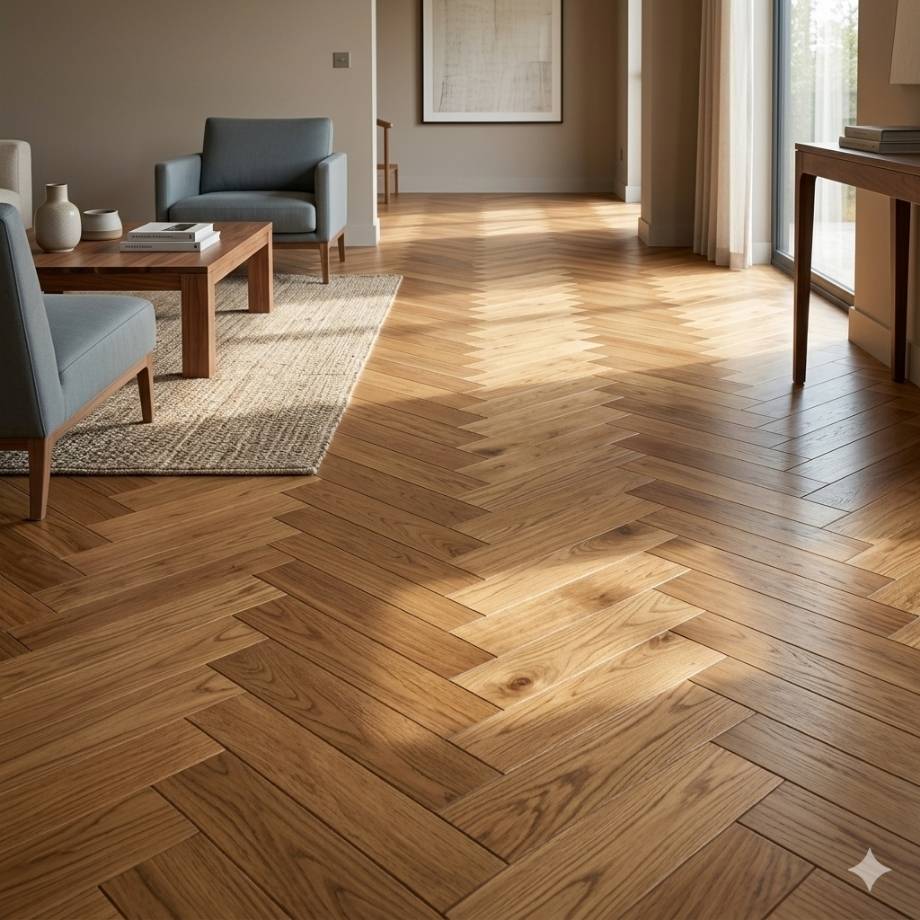
Solid Parquet | Timeless Hardwood Flooring
Solid Parquet | Timeless Hardwood Flooring
What Is Solid Parquet?
Solid parquet is made from individual pieces of hardwood assembled in decorative layouts like herringbone, chevron or basketweave. Because each piece is a solid slice of timber rather than a thin laminate, the surface can be resurfaced multiple times over its life, giving parquet long-term serviceability and making it a durable flooring investment compared with slimmer, layered alternatives.
Design Appeal & Interior Impact
Parquet adds a crafted, architectural quality to interiors. Pattern, grain and finish combine to create a focal plane that complements furniture and lighting while lifting overall room character. Lighter tones make small spaces feel larger and airier; darker, richer tones lend formality and warmth. Parquet also pairs well with area rugs and underfloor heating when specified correctly.
Performance, Installation & Climate Notes
Solid timber reacts to humidity and temperature, so acclimatisation before installation is essential to prevent movement or gaps. Use experienced installers who check subfloor moisture, allow timber to stabilise on-site, and recommend appropriate fixing (floating, nailed or glued) based on substrate. In humid or sun-exposed interiors, choose stable species or engineered alternatives if environmental control is limited. Proper finishing and sealing reduce moisture ingress and increase scratch resistance.
Buying & Aftercare Checklist
Measure floor area and decide on pattern, species and plank/block size. Confirm the timber grade, finish (oil vs lacquer), and whether the installer will sand and seal on site. Ask about compatibility with underfloor heating, expected sanding/refinishing cycles, warranty terms and delivery lead times. For upkeep, plan regular gentle cleaning, use protective pads under furniture, and schedule periodic refinishing to keep the floor looking its best.
Frequently Asked Questions (FAQs)
Which wood species work best for parquet?
Oak, walnut and maple are frequently used in parquet because they show attractive grain, hold up well over time, and can be sanded and refinished when needed.
Will solid parquet warp in humid interiors?
Timber expands and contracts with humidity; correct acclimatisation, moisture testing and a suitable finish minimise risk.
Can solid parquet be used with underfloor heating?
Many solid timbers can work with low-temperature systems, but confirm with the supplier and installer — engineered boards are often preferred for greater stability.
How often can solid parquet be refinished?
Because blocks are full-thickness hardwood, they can typically be sanded and refinished several times over decades depending on thickness and wear.
What maintenance does solid parquet need?
Regular sweeping or vacuuming, prompt spill cleanup, felt pads on furniture and occasional professional recoating extend the floor’s life.
How long does installation usually take?
Timing depends on area size and pattern complexity; allow extra time for on-site acclimatisation, adhesive cure and final finishing steps.
Should I consider engineered parquet instead?
If humidity control is uncertain or faster installation is required, engineered parquet offers similar patterns with improved dimensional stability.